Shanto-Mariam University of Creative Technology (SMUCT), a pioneer in creative and RMG based
higher education in Bangladesh, has initiated the implementation of two industry focused prestigious and
market oriented training courses: “Business Development & Merchandising” and “3D Fashion
Design”. These programs have been launched in strategic collaboration with the Bangladesh Garment
Manufacturers and Exporters Association (BGMEA), under the umbrella of the Skills for Industry
Competitiveness and Innovation Program (SICIP).
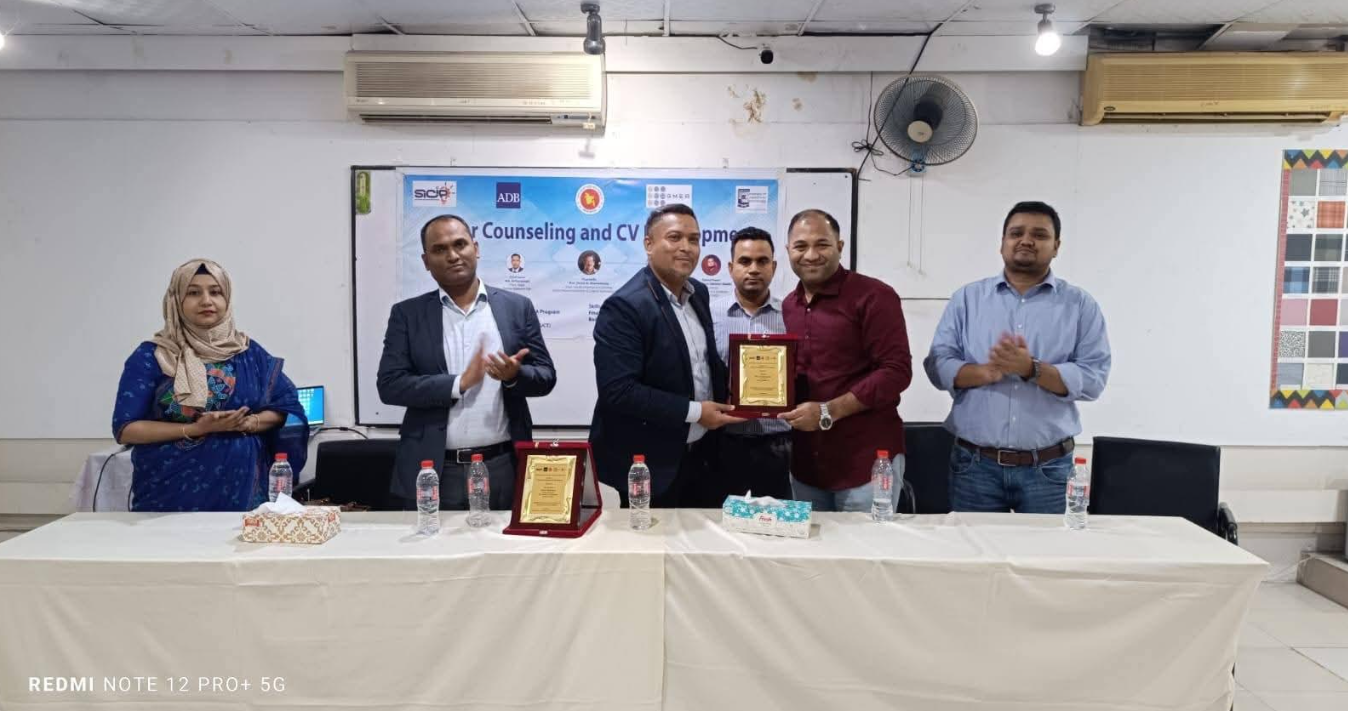
The initiative officially commenced on May 10, 2025, with the goal of developing a skilled, innovation-
driven workforce for Bangladesh’s evolving Ready-Made Garments (RMG) and fashion sectors. The
SICIP project is directly administered by the Ministry of Finance, Government of Bangladesh, and is
designed to enhance competitiveness and innovation across key industrial sectors by aligning academic
training with real-time industry demands. Previously we have run successfully the program of SEIP
which was started in 2023.
Key Features of the Program:
- Business Development & Merchandising: Focuses on market analysis, buyer
communication, pricing strategies, sourcing, supply chain coordination, and modern
merchandising techniques tailored for the global apparel market.
- 3D Fashion Design: Introduces students to digital design tools and technologies, such as
CLO 3D and virtual sampling, to promote sustainable, cost effective, and time efficient
fashion design practices.
Both courses are tailored for students, young professionals, and industry personnel seeking to
upskill in line with global standards. The collaboration ensures access to industry resources,
expert trainers, and internship opportunities with BGMEA affiliated enterprises, thus enabling
participants to apply their learning in real world settings.
This partnership marks a significant step toward bridging the gap between academia and industry
in Bangladesh, promoting sustainable growth and innovation in the fashion and textile sectors. It
also supports the broader national agenda of employment generation, export diversification, and
technological advancement through skill development.